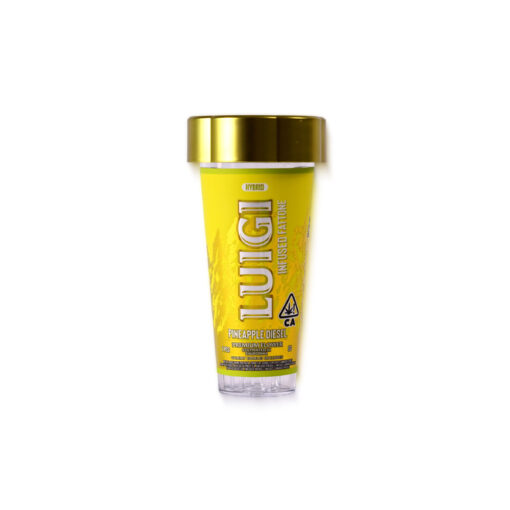
Pineapple Diesel Fattone: Product Overview
Pineapple Diesel Fattone is a cannabis product name associated with a tropical-fruit-inspired profile and the distinctive character suggested by the Diesel lineage. For consumers researching cannabis products in the USA, understanding the product profile, labeling, cannabinoid content, and applicable state requirements can help support informed purchasing decisions through properly licensed retailers.
What Is Pineapple Diesel Fattone?
Pineapple Diesel Fattone is presented as a cannabis product with a name that combines the sweet, tropical character associated with pineapple with the bold, fuel-like profile commonly associated with Diesel varieties. Product characteristics can differ substantially between manufacturers and batches, so consumers should review the packaging and laboratory information supplied with the specific product.
Rather than relying solely on a product name, check the label for cannabinoid concentrations, serving or unit information, batch identification, ingredients, manufacturer details, and applicable warnings. These details provide a more reliable description of the actual product than the name alone.
Pineapple Diesel Flavor and Aroma Profile
The Pineapple Diesel name suggests a combination of contrasting sensory characteristics.
Tropical Pineapple Notes
Pineapple-inspired profiles are commonly associated with sweet, fruity, and tropical aromatic characteristics. Depending on the formulation and terpene profile, consumers may notice fruit-forward notes that complement the product’s overall aroma.
Diesel-Inspired Character
The Diesel component of the name commonly indicates a sharper, pungent, or fuel-like aromatic direction. When combined with tropical notes, this can create a distinctive contrast between sweet fruit characteristics and a more pronounced aromatic finish.
Actual flavor and aroma can vary according to cultivar, cultivation methods, extraction or processing techniques, storage conditions, and formulation.
Cannabinoid Information
Cannabis products can contain varying levels of THC, CBD, and other cannabinoids. The cannabinoid profile of a specific Pineapple Diesel Fattone product should always be verified from its current packaging or certificate of analysis rather than inferred from the product name.
Consumers should pay particular attention to:
- Total THC content
- Total CBD content
- Serving or unit size
- Batch or lot number
- Laboratory testing information
- Ingredients and additives
- Manufacturer or processor information
- Required health and safety warnings
Understanding these details can help consumers compare products according to their individual preferences and local regulations.
Lab Testing and Product Transparency
For regulated cannabis products, laboratory testing can provide useful information about cannabinoid concentrations and product quality indicators. A certificate of analysis may contain information relating to cannabinoids, contaminants, residual solvents, pesticides, heavy metals, or microbiological testing, depending on the jurisdiction and product type.
When researching Pineapple Diesel Fattone, consumers should prioritize products with clearly presented labeling and appropriate testing documentation from authorized cannabis businesses.
Buying Cannabis Products in the USA
Cannabis laws differ considerably across the United States. Adult-use and medical cannabis programs operate under state-specific rules, while cannabis remains subject to federal restrictions. Availability, possession limits, purchasing requirements, and permitted product types therefore depend on the consumer’s jurisdiction.
Consumers should verify the current rules in their state and use only appropriately licensed retailers where cannabis sales are legally permitted. Age requirements and identification rules may also apply.
Why Product Research Matters
A memorable product name does not necessarily provide complete information about a cannabis product. Responsible consumers can make better-informed decisions by reviewing the complete product label, cannabinoid profile, testing information, ingredients, and applicable warnings.
For Pineapple Diesel Fattone, researching the specific manufacturer and batch is particularly important because similarly named products may have different cannabinoid concentrations, terpene profiles, formulations, and production standards.
Pineapple Diesel Fattone: Key Product Considerations
When evaluating a product described as Pineapple Diesel Fattone, consider:
- Product type: Verify whether the item is a flower, cartridge, concentrate, edible, or another formulation.
- Cannabinoid profile: Check the labeled THC, CBD, and other cannabinoid concentrations.
- Aroma and flavor: Look for documented terpene or sensory information when available.
- Testing: Review available laboratory documentation.
- Ingredients: Check for additives, flavoring agents, or other formulation components.
- Legal status: Confirm that the product is permitted in your jurisdiction.
- Retailer licensing: Purchase cannabis only through legally authorized channels where applicable.
Responsible Cannabis Information
Cannabis products containing THC can cause intoxicating effects and may impair attention, coordination, judgment, and reaction time. Consumers should follow the product label, applicable state requirements, and professional health guidance where appropriate. Cannabis should not be used while driving or operating machinery.
Pregnant or breastfeeding individuals, people taking medications, and anyone with questions about cannabis use should consult an appropriate healthcare professional.
Conclusion
Pineapple Diesel Fattone is a distinctive cannabis product name that suggests a combination of tropical pineapple characteristics and the pungent aromatic profile associated with Diesel varieties. Because formulations can vary between brands and batches, the most useful product information comes from the actual label, laboratory documentation, and manufacturer details.
For consumers researching cannabis products in the United States, checking cannabinoid content, ingredients, testing information, legal requirements, and retailer licensing can provide a more complete basis for evaluating a product than its name alone.
Be the first to review “PINEAPPLE DIESEL FATTONE”
Related products
Reviews
There are no reviews yet.